The All Sorted Journal
Subtle luxury, refined systems for the modern home.
How Professional Organizing Works: What to Expect When You Hire All Sorted
Curious what happens when you hire a professional organizer? Learn how the All Sorted process works — from consultation through thoughtfully designed systems that last.
Inviting someone to help organize your home is a deeply personal decision.
For many people, the idea brings equal parts relief and uncertainty. You may wonder what sessions actually look like, whether you need to prepare beforehand, or how the process unfolds once you begin.
Professional organizing is often misunderstood as simply tidying or rearranging belongings. In reality, it is a thoughtful, collaborative process designed to create systems that support how you live — not just how a space looks.
Understanding what to expect can make the first step feel much easier. Most clients reach out feeling unsure whether their home is “ready” — but the process is designed to begin exactly where you are, with no preparation required.
Organizing Is Not About Judgment — It’s About Support
One of the most common concerns clients share is worry about being judged. Homes become full for many reasons: busy schedules, life transitions, growing families, moves, renovations, or simply systems that no longer match current routines.
Professional organizing begins from a place of understanding, not evaluation.
At All Sorted, the goal is never perfection. It is creating clarity, calm, and functionality through refined systems tailored specifically to your home and lifestyle.
Every project starts exactly where you are.
Step One: The Consultation
The process begins with a consultation — typically a walkthrough together in your home.
This conversation allows us to understand:
how your household functions day to day
which spaces feel challenging
your priorities and goals
timelines or upcoming transitions
Rather than focusing only on what isn’t working, the consultation looks at how your home could support you more effectively.
Afterward, you receive a tailored proposal outlining scope, pacing, and next steps so expectations feel clear from the beginning.
Step Two: Editing — The Foundation of Every Project
Before organizing comes editing.
Editing is a guided decision-making process that helps determine what truly belongs in a space based on your current life — not past habits or future “what ifs.”
This step is collaborative and paced thoughtfully. Clients remain in control of decisions, while professional guidance helps make the process easier and more efficient.
Editing often brings immediate relief because it reduces overwhelm and creates breathing room for systems to work naturally.
Nothing is removed without your consent, and sentimental items are approached with care and respect.
Step Three: Designing Thoughtful Systems
Once categories are clear, organizing begins.
This stage focuses on designing systems that feel intuitive and sustainable, considering:
daily routines
accessibility
visibility
household members’ habits
long-term maintenance
The goal is not simply to arrange belongings neatly, but to create environments that make everyday actions easier — putting things away, finding items quickly, and maintaining order without effort.
Products and storage solutions are introduced only when they genuinely improve function.
Step Four: Implementation
During organizing sessions, spaces transform gradually and intentionally.
Items are grouped logically, storage is refined, and systems take shape in real time. Clients are involved as much or as little as they prefer — some enjoy working alongside the process, while others step away and return to completed spaces.
Sessions are paced to feel manageable rather than overwhelming, allowing progress to happen calmly and thoughtfully.
Step Five: Refinement and Styling
As systems come together, the final stage focuses on refinement.
Labels, placement adjustments, and subtle styling details help ensure spaces feel cohesive and easy to maintain. The result is not only functional but visually calm — aligned with the way you want your home to feel.
Most importantly, systems are tested against real-life use to ensure they remain practical long after sessions end.
What Clients Often Notice First
While visual transformation is rewarding, clients often notice something else first: relief.
Daily routines become smoother. Decisions require less effort. Spaces feel lighter and easier to maintain.
Organization begins working quietly in the background of everyday life.
Common Questions
Do I need to clean before sessions?
No preparation is required. Seeing spaces as they naturally function helps us design systems that truly work.
Will I be asked to get rid of everything?
Not at all. The process is thoughtful and collaborative, focused on what supports your life — not minimalism for its own sake.
How long does organizing take?
Every project is different. Some focus on a single space, while others unfold over multiple sessions depending on goals and scope.
Do you purchase products?
When helpful, product recommendations or sourcing can be incorporated thoughtfully as part of the system design.
A Collaborative, Tailored Process
Professional organizing is not a one-size-fits-all service. Each home — and each client — requires a personalized approach.
At All Sorted, projects are guided by a simple philosophy: refined systems should quietly support everyday living. The process is calm, respectful, and designed to evolve alongside your routines.
Serving clients throughout Boston and Greater Boston, All Sorted helps transform homes into spaces that feel lighter, more functional, and easier to maintain over time.
Because organizing isn’t about changing who you are.
It’s about creating a home that works beautifully for the life you already live.
Subtle luxury, refined systems.
All Sorted — Greater Boston & MetroWest.
The Post-Holiday Declutter Checklist: Reset Your Home for the New Year
A refined, step-by-step post-holiday declutter checklist to reset your home for the New Year. Calm, practical, and designed for Boston-area families.
After the holidays, our homes often feel just a little fuller — more décor, more gifts, more wrapping, more everything. A gentle reset now creates the clarity and calm you want to carry into the New Year.
This refined, step-by-step checklist focuses on the spaces that make the biggest difference with the least overwhelm.
Add a mug of something warm, set a 20-minute timer, and begin wherever feels easiest.
1. Clear Out Gift Packaging and Holiday Wrapping
What to do:
Flatten or recycle shipping boxes
Reuse or discard torn tissue paper
Keep only a small set of gift bags in excellent condition
Replace broken or incomplete sets of wrapping supplies
Tip: Store wrapping in a single bin with dividers — a calm system you can revisit all year.
2. Edit the Decor Before Storing It Away
Holiday decor tends to grow every year. Editing before storing prevents clutter from returning next season.
What to do:
Let go of decor you didn’t use this year
Remove duplicates (only keep your favorites)
Donate anything that doesn’t suit your current style
Choose clear bins for easy visibility next year
Tip: Label bins by room or category to simplify decorating next season.
3. Refresh the Kitchen After Hosting
The kitchen carries so much holiday activity — now is the perfect moment to reset.
What to do:
Clear out leftover specialty ingredients you won’t use again
Recycle or donate unopened holiday foods
Reset the pantry categories
Edit mugs, serveware, and gadgets that showed their wear this season
Tip: A 10-minute fridge sweep keeps the whole space feeling lighter.
4. Streamline Kids’ Items After New Gifts Arrive
A thoughtful edit helps make room for new favorites and reduces visual overload.
What to do:
Donate items children have outgrown
Recycle broken or incomplete toys
Keep only the pieces they truly love
Store collections in labeled bins for easy rotation
Tip: Involve older kids in choosing what to “keep, donate, or rehome.” It builds calm habits early.
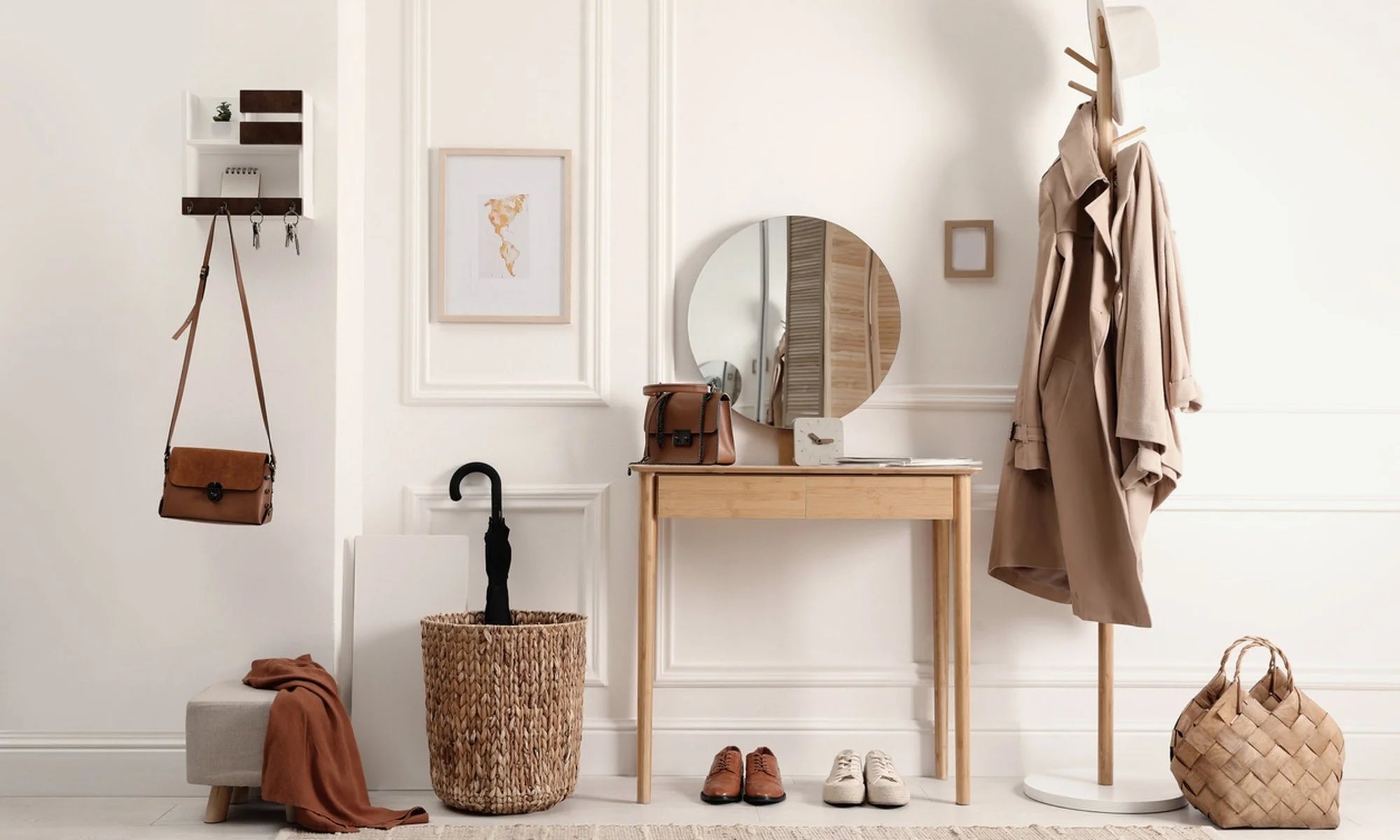
5. Reset the Entryway and Mudroom
These spaces carry the most traffic and visual weight during winter.
What to do:
Put away holiday-specific items
Edit coats, hats, and gloves for wear
Rehome shoes that don’t belong in the entry
Add baskets or trays for a cleaner daily flow
Tip: One calm entryway sets the tone for the entire home.
6. Refresh Your Living Room Surfaces
After gatherings, surfaces tend to collect items. A simple edit makes the room feel spacious again.
What to do:
Clear coffee and side tables
Edit seasonal pillows or throws
Return items to their proper homes
Re-style shelves lightly for January
Tip: Fewer objects equal more serenity.
7. Do a Gentle Wardrobe Edit
After dressing for events and the winter season, your wardrobe reveals what deserves to stay.
What to do:
Remove items you didn’t reach for
Donate or tailor anything that needs attention
Simplify winter categories
Refresh your hangers for a clean look
Tip: A small wardrobe reset makes January mornings feel much easier.
A New Year, Made Lighter
A calm home supports a calm mind.
Even one or two sections of this checklist will help lighten your routines as you transition into the New Year.
If you’d like expert support, All Sorted brings subtle luxury and refined systems to homes across Boston and MetroWest.
Subtle luxury, refined systems.
All Sorted — Greater Boston & MetroWest.